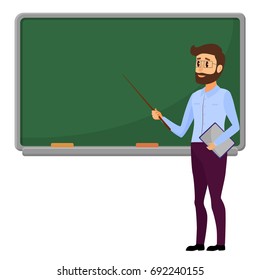
Think about what you liked about your favorite teacher from grade school, high school or college. I can pretty well guess what you liked: The good teacher cares and shows that fact by connecting with you--especially with the eyes. I went to a doctor recently and noted that, during the time he was with me, he only looked at me three times. The rest of the time his eyes were locked onto his computer screen. A good teacher connects with the students with eye contact. A good salesman does the same.
Another thing that identifies a good teacher is knowledge of the subject. A student can tell immediately whether a teacher knows what he's talking about. Product knowledge is critical to good sales.
Good teachers ask questions to make sure the students understand what they're taught. A couple of thousand years ago, a Greek philosopher name Socrates, developed a method of teaching we now call the Socratic method. It involves using questions and answers to arrive at an understanding. Good teachers use this method to help students understand a subject. Good salespeople should use the same approach. Don't come into the sales situation with an answer--come in with questions and let the customer arrive at the solution.
Remember how, as you were growing up, you said to yourself that when you're a parent, you won't do this or that that your parents did and you didn't like.
Think that way as a salesperson. What do you like about that car salesperson you deal with; what don't you like. Learn from watching and observing.
Stop being a salesperson, and become a good teacher; stop selling and start observing; stop talking and listen.

 It seems absolutely impossible to keep up with it all. Family demands, company demands, customer demands--how to keep it all under control is a huge issue today. And, despite having dozens of things to remember, if you forget ONE thing, that's what everyone gets mad at you for. But there's no excuse for forgetting anything these days.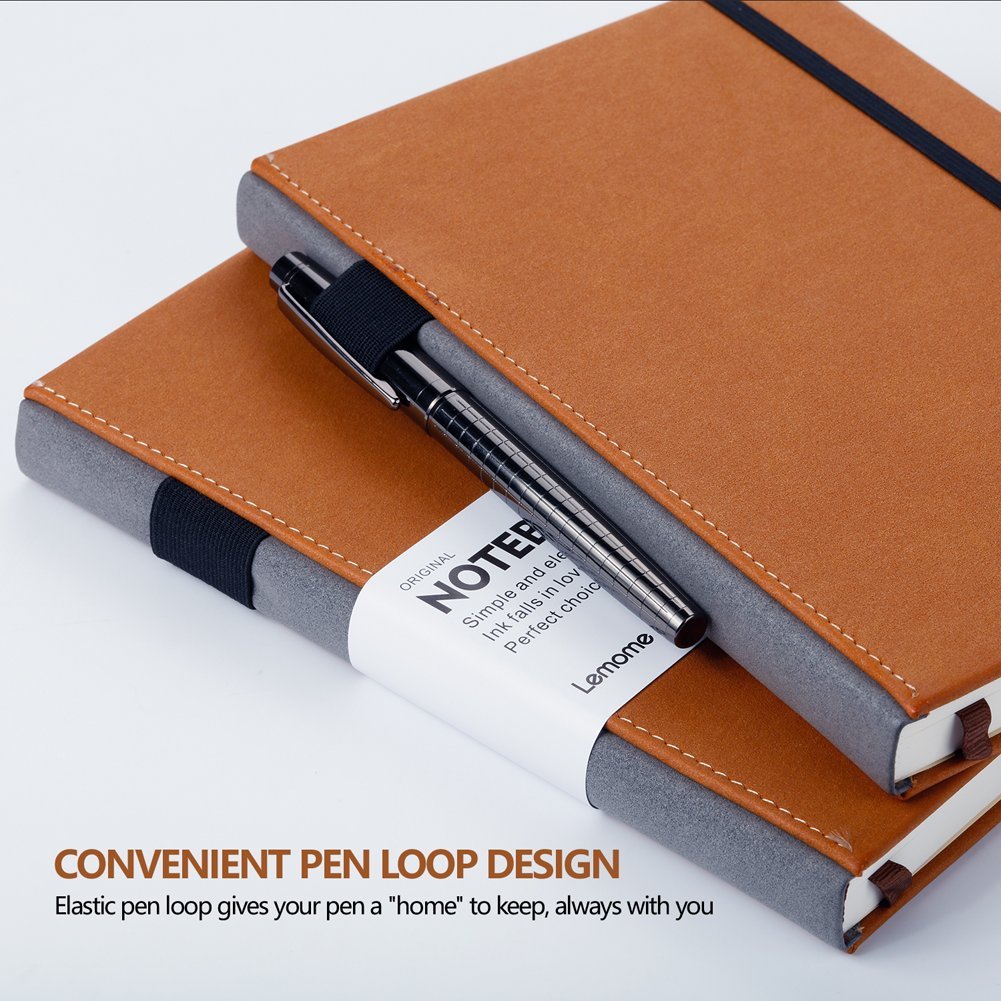
 The problem is that you may have a todo list, but it's not constantly visible. ("Oh, Ed, I'm sorry, I forgot--it's on my todo list, but I didn't look at it today.") I've solved this problem by setting up my cell phone todo app as a "Widget". Setting up your todo list as a widget on your cell phone home screen means that when you unlock your phone, your todo list is the first thing you see. Android phones and iPhones have different ways to set up a widget. So you need to Google "how to set up a widget on an _____ phone" and follow the instructions. (A "widget" is a little piece of software code on your phone that allows the phone to display an app on your home screen. The display can be made to take up your whole screen or a part of it. My todo list takes up my whole home screen.)







![Internet of Things: Digitize or Die: Transform your organization. Embrace the digital evolution. Rise above the competition. by [Windpassinger, Nicolas]](https://images-na.ssl-images-amazon.com/images/I/51ly3T6tt5L.jpg) I highly recommend "Digitize or Die" by Nicolas Windpassinger, with an introduction by Jean-Pascal Tricoire, president of Schneider Electric.
I highly recommend "Digitize or Die" by Nicolas Windpassinger, with an introduction by Jean-Pascal Tricoire, president of Schneider Electric.